Sometimes, the best marketing ideas are the ones that shouldn’t work, and yet, somehow, absolutely do. Case in point: Lewis Capaldi’s unplanned, perfectly chaotic takeover of Aldi. What started as a social media joke spiralled into one of the funniest and most unexpected brand moments of the year.
So, what actually happened?

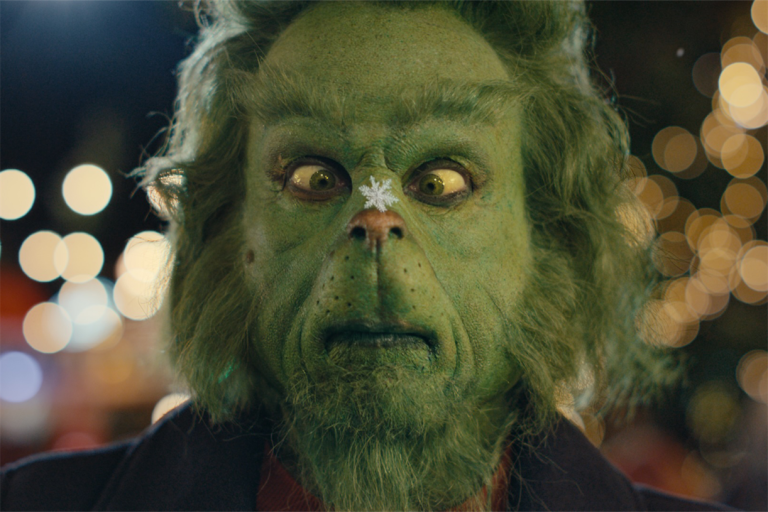
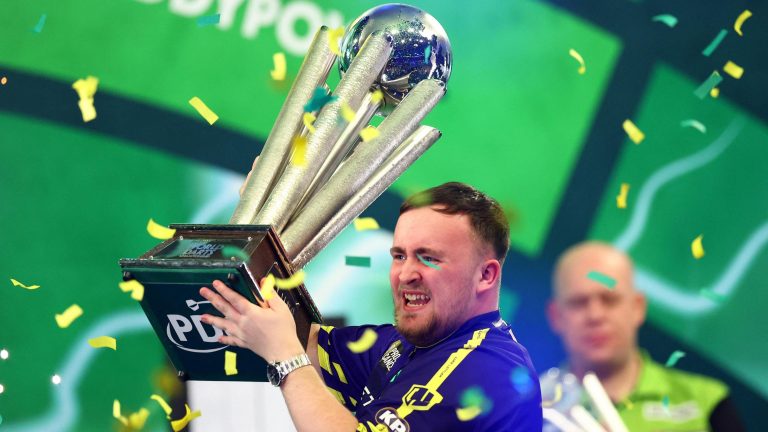
Lewis Capaldi, known for his iconic tunes and self-deprecating humour, jokingly announced that he was “rebranding” Aldi to Cap-aldi. In true Aldi fashion, the supermarket jumped straight in on the gag. What followed was a string of witty posts, mock packaging designs, and fans demanding “Cap-aldi merch.
The beauty? None of it was planned. No press release. No strategy. Just quick, clever social media banter between a brand and a pop star with a combined audience of millions.
Why it worked
Here’s why Cap-aldi became a marketing masterclass, even if it was accidental!
- Authenticity: It didn’t feel forced. Aldi’s response was instant, funny, and totally on-brand for their cheeky, relatable tone.
- Brand fit: Both Capaldi and Aldi share that “everyday, self-aware humour” that makes audiences feel like they’re in on the joke.
- Reactive marketing gold: The speed of response turned a passing comment into a full-blown trend. In today’s world, timing is everything.
- Buzz: Fans jumped in immediately, sharing memes, mockups, and comments. The internet did the heavy lifting, making the campaign spread like wildfire.
What Marketers can learn from “Cap-aldi”
- You can’t plan virality, but you can plan to be ready for it. Aldi’s quick social team jumped on the trend before it lost momentum.
- The campaign worked because Aldi stayed true to its personality, cheeky, relatable, and fun. A different brand might have come off as try-hard.
- Partnerships don’t always need contracts and content calendars. Sometimes the best moments happen when you lean into spontaneity.
- The internet wants to be part of the fun. When you create a campaign that invites participation, your followers become your best marketers.
The numbers

While Aldi didn’t drop official stats, social media engagement skyrocketed. Mentions of “Cap-aldi” spiked across X and TikTok, with millions of views and thousands of comments praising both parties for their humour. It wasn’t a paid campaign, but it generated the kind of brand awareness money can’t buy.
We love campaigns like this because they show that personality sells. You don’t need an over-engineered strategy to make an impact; you just need the right mix of tone, timing, and confidence to join the conversation.
So here’s to the “Cap-aldified” future of branding, where humour, connection, and a bit of chaos can make all the difference.